Practical AI training built around your team's daily work.
We train your staff to work safely with ChatGPT, Copilot and Claude on their actual workflows and documents, and give your organisation the records that Article 4 of the EU AI Act requires.
Practice on your real tasks, not slides about the future
Programme, attendance log and certificates under Article 4 of the AI Act
Independent of tool vendors: no commissions, no resale
At your office anywhere in Lithuania, or remote
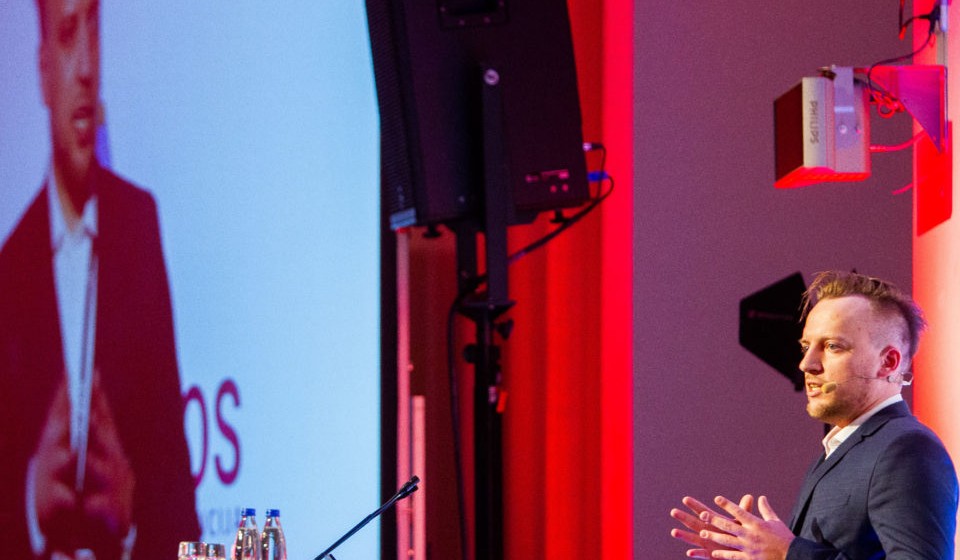
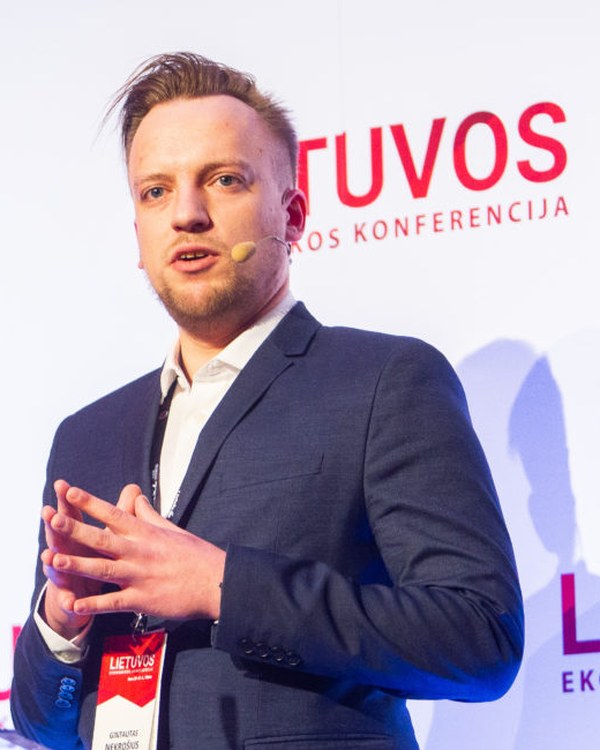
Gintautas NekrošiusFounder and lead trainer
EU AI Act · Article 4
Since 2 February 2025, staff AI literacy is an obligation, not an option.
The EU AI Act requires organisations that use AI systems to ensure their staff have a sufficient level of AI literacy. That applies to companies and public bodies alike, whatever their size.
If you ever need to show how this obligation was met, you will have clear documents: the programme, the attendance log and the certificates.
This is not legal advice. Speak to a lawyer about your organisation's specific obligations.
01
What it means in practice
Your people need to understand how the AI tools they use work, where those tools get things wrong, and which data must never go into them. That includes ChatGPT open in a browser tab.
02
What we do
We tailor training to each role and its risks, prepare the programme, keep attendance records and issue certificates.
03
What you get
Documented proof that your Article 4 literacy obligation has been met, and a team that uses AI tools safely and independently. Evidence for an audit, and practical capability on Monday morning.
Training tracks
Three tracks. Each adapted to your sector and your tools.
We work with the tools you already have or plan to buy: Microsoft 365 Copilot, ChatGPT, Claude, Gemini, n8n, Power Automate.
All staff01
AI foundations and compliance
Everyday work with ChatGPT, Copilot and Claude: emails, documents, summaries, analysis. And clear limits: what never goes into an AI tool under GDPR and your internal policies.
Work on your own real task during the session
The most common AI errors and how to spot them
A data-safety card for every participant
Records the delivery of your Article 4 literacy obligation
4 hoursUp to 20 peopleOn-site / remote
Leaders02
AI for leaders and decision-makers
Where AI pays off in your organisation, where the risks are, and how to make sound decisions about tools, data and people. No vendor jargon.
The basics of an AI usage policy
How to evaluate vendor proposals and procurement
Real examples from your sector
A leader's responsibilities under the AI Act
1 dayUp to 12 peopleOn-site
Operations and IT teams03
Everyday process automation
Repetitive processes automated with n8n, Make and Power Automate. For IT teams: APIs, RAG systems and AI agents your team can rely on every day, not only in a demo.
You leave with a process that already runs
Two paths: no-code and code
Access, data and error handling
From prototype to a maintained solution
2 daysUp to 10 peopleOn-site / remote
Shared services, public bodies and schools
For shared-service centres and regional offices, workflows are built around finance, operations and back-office tasks, within your GDPR and information-security policies. For schools: a 4-hour seminar for teachers built on their own lesson material, plus a draft AI-use policy for the head. For public bodies and state agencies, we bid through Lithuania's central procurement portal (CVP IS), invoice through the state e-invoicing system (SABIS) and prepare every document a simplified public tender requires.
What your organisation receives
A documentation pack you can hand to procurement, HR and audit.
Within 3 working days of the training, your organisation receives a complete pack that records the delivery of your Article 4 literacy obligation and lets finance and procurement sign off the service without follow-up questions.
Training programme with topics, duration and learning outcomes
Attendance log with participant signatures and hours
Certificates for every participant
Competency self-assessment before and after
Report to the organisation with recommendations for the next step
A one-page data-safety card: clear desk-side rules on what never goes into an AI system
Report
Training report
AI foundations and compliance
Sample organisation · Finance operations
Participants
18 / 18
Hours
4
1. Programme and learning outcomes✓
2. Attendance log✓
3. Self-assessment before / after✓
4. Certificate register✓
5. Recommendations✓
AI Act Art. 4Documented
Certificate
Participant name
Completed the programme "AI foundations and compliance", 4 hours.
How we work
Four steps from the first call to a change you can see at work.
01 · Call
We find out what you need
In 30 minutes we go through your team, its tasks and its tools. Within 24 hours you get a one-page summary: where your Article 4 compliance risk sits and which three processes are worth improving with AI first.
02 · Programme
We build the content from your material
The programme is built from your documents, processes and real examples. No generic templates, no writing poems with ChatGPT.
03 · Training
More practice than theory
Every participant works on their own task and leaves with a result they can use tomorrow. Exercises use anonymised data or data you have approved.
04 · Support
30 days of support after the training
The documentation pack for procurement and audit is delivered within 3 working days. For the next 30 days we answer staff questions, fix practical mistakes and help the new habits stick.
Our commitment
Every participant finishes the training with a working result from their own real task. If that did not happen, we run an extra session for that team at no charge.
Team
People who use what they teach.
Training is delivered by practitioners who build and deploy AI systems every day. Not lecturers reading from slides.
Applied AI Labs
Founder · lead trainer
Gintautas Nekrošius
More than ten years leading growth and teams in technology companies, including three years as CEO of Blockchain Centre, the Animoca Brands group's product studio in Vilnius. Since 2024 he has worked with AI every day, building and deploying systems in his own and clients' businesses, from video production to e-commerce automation.
He founded Applied AI Labs for a simple reason: organisations in Lithuania do not need another conference about AI. They need someone to sit down next to them and show how it works with their documents, and where the lines are.
Growth marketingAI systems and automationTeam leadershipLT / EN
Depending on your sector, legal counsel, data-protection specialists and systems engineers join the programme. Each team is paired with a practitioner who understands its operational constraints, security requirements and GDPR specifics.
Legal and compliance
AI Act, GDPR, internal policies. Reviews the compliance modules and the documentation pack before it reaches you.
Data protection and governance
Document retention, data-governance policies, public-sector procedures. Adapts programmes to regulated and public environments.
Systems engineering
APIs, RAG systems, AI agents, access management. Delivers the automation and IT-team programmes.
Independence
We do not sell tools or take commissions
We recommend what fits your work, even when it is free and you already have it.
Data
Your data does not train models
We use only anonymised or approved data in training, with tool settings that do not retain it.
Language
English or Lithuanian
Training, materials and the documentation pack in the language your team works in.
When your team is ready
Training is the first step. From there we help in two directions.
Most organisations start with training because it is the lowest-risk step. Once the team understands what AI can and cannot do, concrete questions appear. That is where we help next.
01
AI diagnostics
A two-week audit: where AI pays off in your processes, where it is risky, where to start. With a prioritised list and a budget.
Internal assistants, document processing, process automation. We build only what saves your staff real time, and hand it over with clear documentation.
No. The foundations track is for anyone who works at a computer. The technical programmes are for IT and operations teams.
Does the training comply with Article 4 of the AI Act?
The programme is built to the requirements of Article 4, and you receive documents proving the training took place and what it covered. There is no official "certification" under Article 4, so we do not promise one.
Which AI tools do you cover?
The ones you use or plan to buy: Microsoft 365 Copilot, ChatGPT, Claude, Gemini, n8n, Power Automate. We are not tied to any vendor and take no commissions.
How do you protect our data?
Exercises use anonymised data or data you have approved. We show the tool settings that stop your data being used to train models, and we teach what must never go into an AI tool.
Do you bid on public tenders?
Yes. We submit proposals through Lithuania's central procurement portal (CVP IS), take part in simplified low-value tenders and invoice through the state e-invoicing system (SABIS). Send us the tender requirements and we will prepare a compliant proposal with every required document.
Where does the training take place?
At your office anywhere in Lithuania, or remotely. A hybrid format, with part of the team joining from other cities or countries, works too.
Do you issue certificates?
Yes. Every participant receives a certificate with the programme and hours, and the organisation receives the attendance log and the training report.
What does the training cost?
It depends on the track, group size and format. The price always includes the documentation pack and 30 days of support. We send an exact quote after the first call, usually the same day; for public-sector procurements we price to your tender terms.
A 30-minute call and a one-page summary
Let's talk about what your team needs.
The first call is free and takes 30 minutes. Within 24 hours you get a one-page summary: where your Article 4 compliance risk sits and which three processes are worth improving with AI first. No commitment.
Free checklist
Not ready for a call yet?
Get the 10 questions worth asking before rolling out AI in your organisation. One page, no filler.